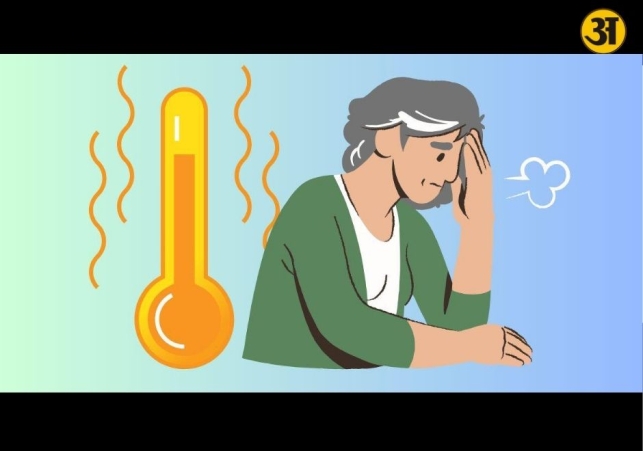
Heat and hormones worsen hot flashes before summer
Rising heat and hormonal changes: why women experience more hot flashes before summer
- By Gurmehar --
- Sunday, 22 Mar, 2026
As temperatures begin to rise before the arrival of summer, many women notice changes in how their bodies feel. Increased hot flashes, poor sleep, fatigue, and even anxiety become more common during this time. While it may seem like the heat alone is responsible, experts say the real reason lies deeper—in hormonal changes happening inside the body.
For many women in their late 30s and 40s, this phase is linked to perimenopause, the transition period before menopause. During this time, hormone levels, especially estrogen, start to fluctuate. These changes can make the body more sensitive to even small increases in temperature.
How hormones affect body temperature
Estrogen is an important hormone that plays a key role in regulating body temperature, mood, and energy levels. When estrogen levels are stable, the body can easily adjust to changes in the environment. However, during perimenopause, estrogen levels rise and fall unpredictably.
This affects a part of the brain called the hypothalamus, which controls body temperature. When hormone levels are unstable, the hypothalamus becomes more sensitive. Even a slight increase in external temperature can trigger a strong response from the body.
This is why many women experience hot flashes—a sudden feeling of heat, often followed by sweating and discomfort. These episodes can happen at any time of the day but may become more frequent as the weather gets warmer.
The rising heat before summer adds to this effect. When the outside temperature increases, the body already has to work harder to stay cool. For women with fluctuating hormones, this can make hot flashes more intense and more frequent.
ALSO READ: Netanyahu pauses Iran gas field strikes after Trump request amid rising Middle East tensions
ALSO READ: Afghanistan and Pakistan agree to temporary ceasefire ahead of Eid amid rising tensions
Why symptoms worsen with heat
The effects of heat go beyond just hot flashes. The body uses energy to cool itself through sweating and increased blood flow. This process can lead to the loss of fluids and important minerals, especially if hydration is not maintained properly.
Even mild dehydration can cause symptoms like headaches, tiredness, and irritability. For women already dealing with hormonal changes, these effects can feel stronger and more exhausting.
Sleep is another area that gets affected. Warmer nights can make it difficult to get deep and restful sleep. For women in perimenopause, who may already face sleep disturbances due to hormonal changes, this can make the problem worse.
Lack of proper sleep can lead to fatigue, mood swings, and difficulty concentrating during the day. Over time, this creates a cycle where poor sleep leads to more tiredness, and tiredness makes it harder to cope with heat and hormonal changes.
Heat can also influence stress levels in the body. It may increase the production of cortisol, a hormone linked to stress. Higher cortisol levels can cause feelings of anxiety, restlessness, and sudden drops in energy. This combination of heat, stress, and hormonal imbalance can make daily life more challenging.
Simple ways to manage symptoms
Experts say that while these changes are natural, there are simple ways to manage them effectively. The first and most important step is staying hydrated. Drinking enough water helps the body regulate temperature and prevents dehydration.
Eating light and balanced meals can also help. Heavy or spicy foods may increase body heat, while fresh fruits and vegetables can keep the body cool and provide essential nutrients.
Maintaining a regular sleep routine is equally important. Going to bed early and creating a cool, comfortable sleeping environment can improve sleep quality. Even small changes, such as using lighter bedding or improving room ventilation, can make a difference.
Physical activity like light exercise or yoga can also support the body. These activities improve blood circulation, reduce stress, and help maintain overall balance. However, it is best to avoid intense workouts during the hottest parts of the day.
Another important step is understanding what the body is going through. Recognising that these symptoms are linked to hormonal changes—not just external heat—can help women respond with more awareness and less frustration.
The increase in hot flashes, fatigue, and anxiety before summer is not just due to rising temperatures. It is closely linked to hormonal changes, especially during perimenopause, when the body becomes more sensitive to heat.
As estrogen levels fluctuate, the body’s ability to regulate temperature is affected. This, combined with warmer weather, can lead to stronger and more frequent symptoms.
However, with simple lifestyle adjustments like staying hydrated, eating light meals, and maintaining good sleep habits, these effects can be managed. Understanding the connection between heat and hormones is the first step towards better health and comfort.
With awareness and care, women can support their bodies through seasonal changes and maintain balance in both physical and emotional well-being.
Related News